
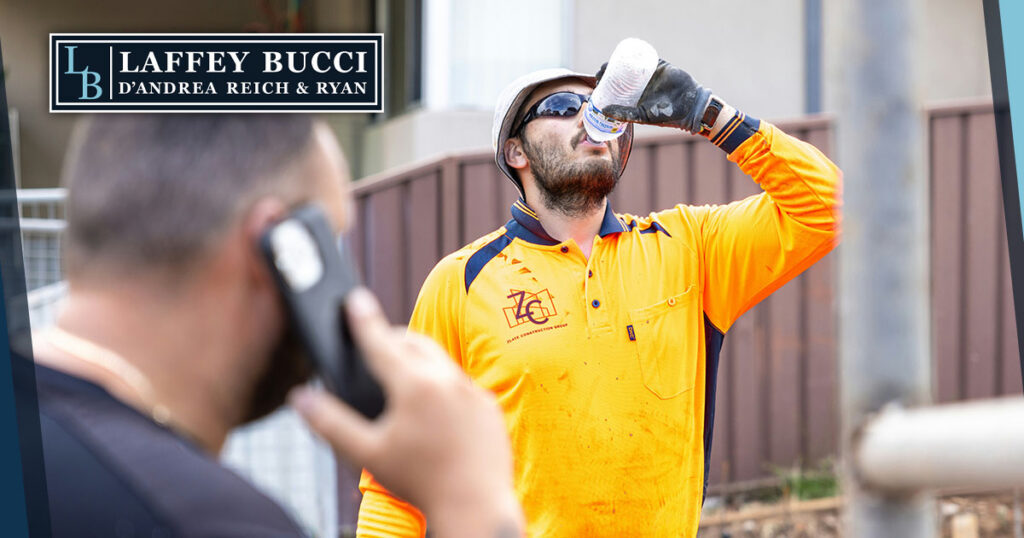
Hot town, summer in the city, and the back of your neck is getting dirty and gritty from working under the blazing sun at a construction site.
There are plenty of potential man-made hazards at a construction site that you can avoid by following the proper safety protocols. What you can’t avoid is the sun and the effect it will have on your health.
Whether you’re a seasoned construction site worker or working your first job, you’ll benefit from these safety tips for working in the extreme heat.
Recognizing the Early Warning Signs of Heat Stroke
First, you need to recognize the signs of heat stroke. You might be experiencing heat stroke if you are going through any of the following:
- Extremely High Body Temperature: A core temperature of 104 degrees or higher is extremely dangerous.
- Mental Status Changes: If you experience confusion, agitation, irritability, delirium, and slurred speech, it could be a sign of heat stroke.
- Skin Changes: With heat stroke, your skin can feel extremely hot and dry or moist and sweaty.
- Rapid Heart Rate: During heat stress, your heart rate will rapidly increase.
- Neurological Distress: You may experience seizures, fainting, or loss of consciousness from exposure to heat.
- Headache and Nausea: Heat stroke can trigger intense throbbing headache, dizziness, or vomiting.
- Rapid, Shallow Breathing: Along with your rapid heart rate, you may also experience rapid, shallow breathing.
If you experience any of these symptoms, you need to stop work immediately, find a cool place to rest, and drink more fluids.
Essential Heat Safety Tips for Construction Workers
Preventing heat stroke requires workers to be proactive. That begins with checking the weather every day. Even on days when the temperature might seem “comfortable,” heat stroke can still sneak up on you. Here are the things to put into action so that it won’t happen.
Hydrate
Drink water frequently. If you’re working for over two hours, add electrolytes to the water. They’re available in packets everywhere. The moment you experience thirst, you’re dehydrated.
Acclimate
If you’re a new worker on a summer job site, you should work only 20% of your first day to allow your body to adapt to the heat.
Smart Work Scheduling
Be sure to schedule heavy labor tasks for the early morning or late afternoon hours to avoid the peak heat of the day.
Wear Adaptable Clothing
You should wear light-colored, loose-fitting, moisture-wicking clothing. You might not be able to avoid long pants and sleeves because of other safety concerns, but they can still be “heat-friendly.”
Adopt the Buddy System
Workers should not only recognize the symptoms of heat stroke in themselves but also in their coworkers. Watch out for dizziness, confusion, or cramps.
Employer Responsibilities Under OSHA Heat Safety Guidelines
The Occupational Safety and Health Administration (OSHA) is all too familiar with the dangers of heat stroke on a construction site. That is why they established core safety standards for construction site managers and owners to follow.
That begins with providing workers with ample cool, potable water and encourages them to drink small amounts throughout the day. They also need to provide shaded or air-conditioned areas for breaks.
They should also implement a plan for new workers to gradually ramp up to a full work schedule. Additionally, managers should provide training on recognizing the signs of heat stroke. There also needs to be an emergency plan in place to provide a rapid response if a worker suddenly finds themselves in distress.
Legal Options After a Heat-Related Workplace Injury
What happens if an employer fails in their obligation to provide the basics to prevent heat stroke? Although succumbing to heat stroke might be considered a workplace injury, it might not rise to the level of a workers’ compensation claim unless it leads to hospitalization and forced time off.
However, there could be a case made that the employer created an unsafe workplace. In that scenario, you might have an actionable cause to file a lawsuit. It will mean proving causation and damages.
It will also require lining up the support of an experienced Cherry Hill construction accident lawyer.
At Laffey Bucci D’Andrea Reich & Ryan, our skilled attorneys are extremely familiar with OSHA regulations and the consequences of noncompliance. We understand what the courts may consider an actionable cause. We don’t want to waste anyone’s time on a small infraction. However, when there is a persistent pattern of neglect, there should be a remedy to compensate you for any suffering and to prevent it from happening again.
If you’re experiencing any problems on a construction site that is related to poor management support, we want to hear from you.
Call to set up a consultation so we can hear what is going on and discuss how we might help.