
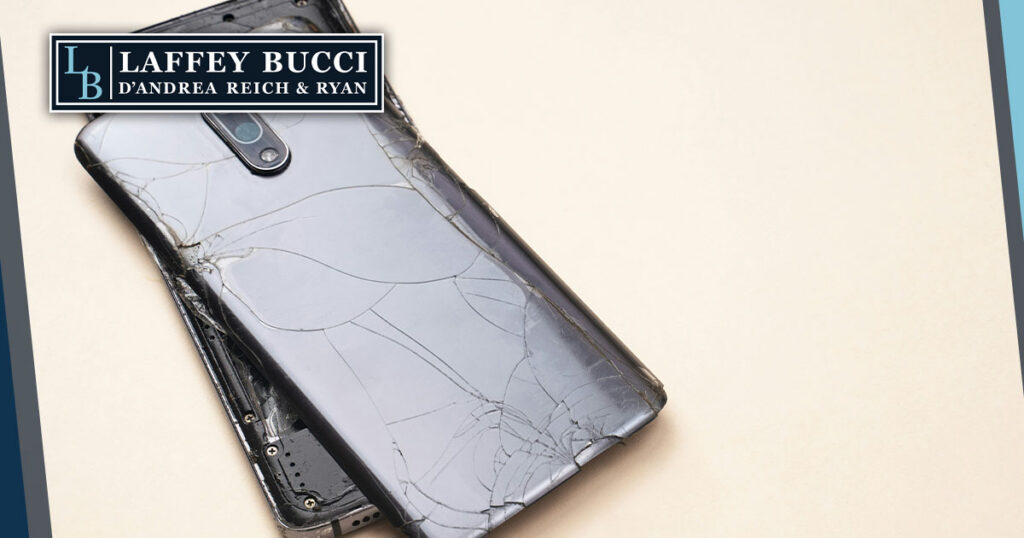
Product injury cases differ from many other injury claims because the product itself often becomes one of the most important pieces of evidence in the case. If it gets thrown away, cleaned up too much, repaired, or sent back too soon, you can lose your key proof before you even realize how important it was.
That happens more often than you might think.
This is also why people need more than generic advice like “document everything.”
While that’s true, sure, it’s not specific enough. In product cases, the details matter. Was there a manufacturing defect? Was the design itself dangerous? Was there a failure to warn? Who in the distribution chain should be held responsible?
Those questions start taking shape almost immediately.
Consider this post as a victim’s checklist. Not a legal lecture, or a vague overview, but a clear, practical guide if you’ve been hurt, are feeling overwhelmed, and are trying to figure out your next move.
Immediate Steps to Take After a Defective Product Injury
The first steps after a defective-product injury are to seek medical care, stop using the product, and ensure the evidence doesn’t disappear…in that order.
Your health comes first. Always.
If your injury is serious, call for emergency help immediately, but it’s important to get checked even if your injuries don’t seem severe. A lot of product injuries look manageable at first and then turn into something worse once swelling, burns, head symptoms, nerve pain, or internal problems start showing up later.
A “wait and see” approach can create serious problems both medically and legally.
Once you’re safe, stop using the product immediately. Don’t test it again to prove to yourself that it’s defective. Don’t let anyone try to fix it, and don’t throw out the packaging, instruction manual, charger, battery, receipt, or any warning inserts.
In a product liability claim, even the small stuff can matter a lot more than you would expect.
The most useful legal steps usually look like this:
- Get medical care as soon as possible.
- Stop using the product immediately.
- Save the product, all pieces, and all packaging.
- Take photos of the injury, the product, and the scene.
- Keep all receipts and online order records, as well as warranty details.
- Avoid posting about the accident online.
- Talk to a lawyer before returning the item to anyone.
That may sound like a lot when you are already hurt, but it’s those early moves that can make a huge difference later.
How to Preserve Evidence for Your Product Liability Claim
Preserving the evidence means keeping the product itself and everything tied to it in the same condition as it was when the injury happened. In these cases, that’s not just one helpful step; it’s often the backbone of your entire claim.
This is where a lot of people make totally understandable mistakes.
They clean up the product because it made a mess. They throw away broken pieces, or send it back for a refund, or let a friend try to repair it. They assume photos are enough, when sometimes they’re not. If you were injured by a faulty product, the actual product may need to be inspected later by experts. That is why keeping it unchanged is so important.
If you can, try to save:
- The product itself
- All broken or detached parts
- Any packaging, warning labels, user manuals, and instructions
- Receipts and proof of purchase (like credit card histories)
- Photos and videos from right after the accident
- The names and contact information of anyone who saw what happened
Understanding the Three Types of Product Defects
The three main types of product defects are manufacturing defects, design defects, and failure to warn. That’s the basic framework most product cases are built around, and it’s actually pretty helpful once you see what each one means.
A manufacturing defect means something went wrong during the production of that specific item. The overall design may have been fine, but the one that injured you came out wrong.
Maybe a part was cracked, a seal was weak, a wire was loose, or a batch was contaminated.
A design defect is different. That’s a problem that was built into the product from the beginning. Even if it had been made perfectly, the product might still have been unreasonably dangerous because of its design. Those cases can be bigger and more technical because they’re often about the whole product line, not just one unit.
Failure to warn means the product may have been sold without proper warnings, instructions, or safety information. Sometimes the product is dangerous not just because of how it was built, but because people were never clearly told about the risks or how to avoid them.
This framework helps people stop thinking only in terms of “the product hurt me” and start thinking in terms of how it went wrong.
Who Can Be Held Liable for a Dangerous Product?
More than one company or person can be held liable for a dangerous product. That’s one of the most important things to understand early on. A product case is often bigger than just the company name that’s printed on the box.
Liability can extend through the distribution chain, as well. That can include the manufacturer, the maker of one of the parts, the distributor, the wholesaler, and even the retailer that sold it. Sometimes the seller isn’t the one who created the danger. Sometimes the product moved through several hands before reaching you. The law takes that into account.
Possible defendants can include:
- The product manufacturer
- A component-part manufacturer
- Produce distributors and wholesalers
- Individual retailers or online sellers
That’s why these cases are rarely just customer-service disputes. A serious product injury claim is often more about tracing responsibility through multiple layers.
Common Injuries Resulting from Defective Consumer Goods
Defective products can cause burns, cuts, head trauma, poisoning, amputations, electrical injuries, and other serious damage. The exact injury will depend on the product, of course, but the pattern’s the same; ordinary products can cause major damage when something goes wrong.
Some of the more common scenarios involve exploding batteries, collapsing furniture, defective ladders, dangerous children’s products, unstable appliances, malfunctioning power tools, and items sold without adequate warnings.
These aren’t always just freak accidents. Sometimes they’re signs that a product was unreasonably dangerous from the start.
Common injuries from defective products often include:
- Burns
- Electrical injuries
- Cut and crush injuries
- Broken bones
- Head trauma
- Choking or suffocation injuries
- Eye injuries
- Poisoning or chemical exposure
- Amputations and permanent disability
The point here isn’t that every product injury should become a lawsuit; it shouldn’t.
It’s that product injuries can be much more serious than people first assume, especially when they involve children, heat, electricity, or hidden defects.
Why You Should Be Careful When Speaking with Insurance Adjusters
You should avoid detailed conversations with insurance adjusters because they’re typically out to protect the company’s side of the case, not yours. In a product case, you may hear from a manufacturer’s insurer, a retailer’s insurer, or some other representative, and once those conversations start, your wording matters a lot.
A lot of people think, “I’ll just explain what happened.” That sounds reasonable, right?
The problem is that product cases often hinge on technical issues like misuse, warning labels, modifications, and whether the product was used as intended. If you start guessing, speculating, or casually blaming yourself before you know the full picture, you can make your case significantly more difficult without meaning to.
It’s not about being difficult. It’s about not damaging your own claim while you’re still trying to understand what happened.
How a Product Liability Attorney Can Help Your Case
An experienced product liability attorney can help protect important evidence, identify defendants, and turn a messy injury into a properly structured legal case. These claims can get technical fast, and a good lawyer helps make sure important details don’t get lost early.
That can include protecting the product, figuring out whether the issue was a design defect, a manufacturing problem, or a failure to warn, as well as identifying who in the distribution chain might be responsible. It can also involve expert inspections, document requests, recall research, and pushing back when a company tries to turn the case into a simple refund rather than a serious injury claim.
That’s when your case becomes much bigger than “something broke and I got hurt.”
Laffey Bucci D’Andrea Reich & Ryan, LLP Advocates for Product Injury Victims
Defective products can hurt people in ways that are painful, expensive, and life changing.
The law recognizes that. But strong product liability cases are built on early decisions, especially decisions about the product itself. If the evidence disappears, the case gets harder. If it’s protected, the case gets stronger. Simple as that.
So, if you are in pain right now and trying to figure out what to do next, start with the basics.
Get treated. Save the product. Save the packaging. Take photos. Keep receipts. And get experienced legal advice before the evidence starts slipping away or someone else starts shaping the story for you.
At Laffey Bucci D’Andrea Reich & Ryan, we have that experience.
Give us a call today.