
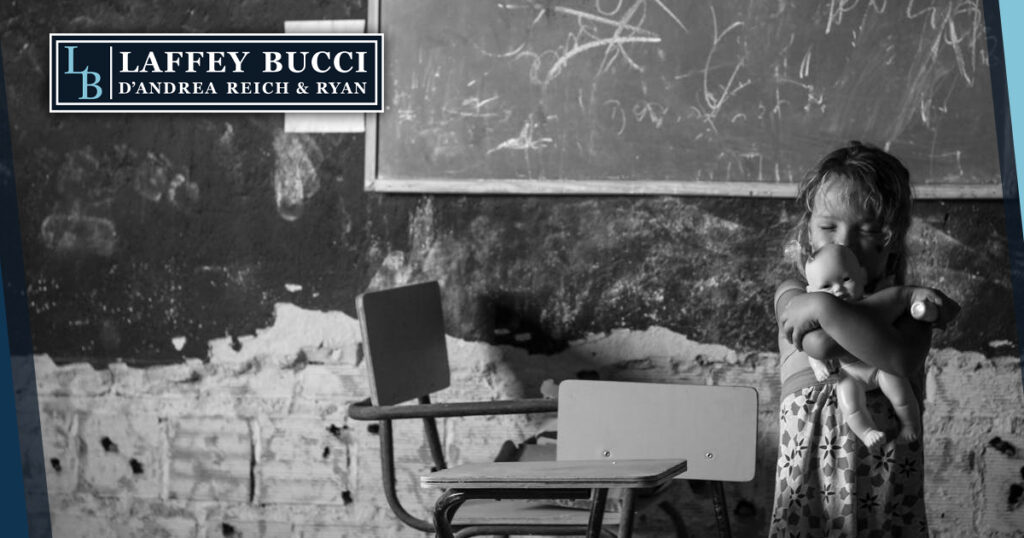
Boarding schools are often associated with images of polished hallways, academic achievement, and lifelong friendships. But sometimes, behind the neat uniforms and strict schedules, children are facing situations no one should.
They might be suffering from abuse or neglect in these institutions. These are not just unfortunate circumstances; they are criminal acts, and victims have legal rights.
Unfortunately, instances of school abuse can be hard to decipher. If you suspect a child is being harmed, you need to pay attention and act. These are serious criminal acts, and you should report them to the local police. Here are a few signs of abuse or neglect at a boarding school.
How Abuse or Neglect Can Happen at Boarding Schools
Boarding schools are unique environments. Students live away from home. This often happens at a young age. They are expected to focus on academics, social life, and personal responsibilities without their parents nearby. While many schools provide a safe and nurturing environment, this separation can sometimes create opportunities for abuse or neglect.
Abuse can occur when staff members have unchecked authority, insufficient supervision exists, or reporting systems are unclear. Students may feel isolated or hesitant to speak up for fear of punishment, embarrassment, or disbelief.
In some cases, long-standing traditions, like hazing or rigid discipline policies, can blur the lines between acceptable rules and harmful practices.
The residential nature of boarding schools also means that children are constantly under the care or oversight of adults.
Any failure by staff to notice, intervene, or report abuse increases the risk that harmful behaviors will continue. Unfortunately, this abuse can happen even in “prestigious” schools. For this reason, it is helpful that parents, guardians, and advocates remain vigilant.
Have They Been Physically Abused?
Physical abuse can leave visible marks, but the signs of abuse are not always obvious. If your children are active, an occasional bruise or cut might not be a cause for concern. So, how do you know if something more sinister might be happening?
Kids might come home with bruises, cuts, or burns that do not quite line up with the stories they’re telling. Some might avoid sports, gym class, or just walking down certain hallways because they associate these places or staff members with fear.
Sometimes, what the school calls “discipline” crosses the line into abuse. Even if the intent is not malicious, harsh punishment can leave children terrified and traumatized.
You want to watch for signs of unexplained injuries or sudden fear around authority figures. This is often the first red flag that something deeper is going on.
Did They Suffer Emotional Abuse?
Emotional abuse is harder to spot but just as damaging. A student might suddenly become withdrawn, anxious, or unusually quiet.
They may seem constantly worried about disappointing someone or feel like they cannot talk to anyone about their struggles. Children in emotionally abusive environments might internalize shame or low self-esteem. They could struggle to participate in normal social interactions or show fear that seems disproportionate.
These are the silent scars that do not heal easily but shape the child’s mental health and self-worth for years to come.
What Are the Signs of Neglect?
Neglect does not always come in the form of intentional harm. However, this is an egregious failure to provide for a child’s basic needs. Children need consistent care, attention, and support to grow and thrive. Be cautious of poor hygiene, inappropriate clothing for the weather, or untreated health issues.
A student who looks perpetually tired, hungry, or unkempt may be experiencing neglect.
When a school fails in this regard, it needs to be held accountable. You have trusted them with the health and welfare of your child. By attending the school, they need to provide for your child’s basic needs.
What to Look for with Sexual Abuse?
Sexual abuse is a damaging form of harm. For that reason, you want to be aware of both physical and behavioral signs.
Physical indicators might include unexplained injuries or discomfort, while behavioral changes could consist of sexualized behaviors, withdrawal, or reluctance to be around certain staff or areas of the school.
Unfortunately, sexual abuse in schools does happen. Survivors often need both legal guidance and emotional support. You will want to reach out to lawyers who specialize in child sexual abuse.
What Are the Long-Term Effects?
Abuse and neglect leave long-term impacts. Survivors may struggle with anxiety, depression, PTSD, or trust issues long after they leave the school.
Early recognition and intervention can make a huge difference. This can provide children with the support and care they need to heal.
If you suspect abuse, take action. Report it to the proper authorities, seek legal counsel, and provide emotional support to the child. Professionals experienced in these cases can guide families through the process and hold schools accountable.
Protecting Our Children
At the end of the day, boarding schools should be safe spaces for growth, learning, and discovery. These are not environments where children live in fear. By staying alert, listening to the children in our lives, and knowing the signs of abuse or neglect, we can make a meaningful difference.
Remember, no one should ever feel compelled to endure harm in silence.
At Laffey Bucci D’Andrea Reich & Ryan, we’re here to provide you with the guidance you and your family need to get through these troubling times.